Recognizing and Supporting Postpartum Grief
Why Culture Matters
It feels like a lifetime ago, yet I vividly remember my first pregnancy each detail is etched in my mind. I can still picture the moment, when I stood in the kitchen with my mother after miscarriage. The stark contrast of carrying a new life one week and feeling as if nothing had happened the next week still resonates with me. These memories are not a source of regret but rather pieces of a puzzle coming together in my life, filled with warmth, comfort, and a deep respect for my journey.
Myra, whom I affectionately refer to as my cousin friend, hosts Elder is the New Black Podcast. She has profoundly inspired me during this season of reflection, both inwardly and outwardly. I’ve reached a point in life where I regard myself as an “elder,” and I see it as an honor. With the passage of time comes wisdom, and contemplating my own journey has helped me understand the complexities of postpartum experiences.

What is Disenfranchised Grief?
In retrospect, my miscarriage was not merely a painful memory; it was a profound and messy grief that many choose not to discuss. This type of grief is termed disenfranchised grief. Why is it called that? Because it often goes unrecognized—its emotional aspects are frequently invisible, and many people, including the women experiencing it, may not recognize it as grief at all. Society often fails to validate this kind of grief, leaving many women feeling unseen and unheard.
Much of postpartum grief falls under the umbrella of disenfranchised grief. It’s a nuanced form of grief not always tied to death or a clear loss. This grief can stem from experiences such as pregnancy loss, a NICU stay, birth complications, or even unmet expectations of motherhood.
Here’s the reality: this kind of grief often operates under the radar. It’s masked by brave smiles or silence, making it difficult for others to respond supportively. This invisibility leaves many mothers feeling isolated and misunderstood. Every loss be it of a physical experience or an imagined future reshapes a woman’s understanding of motherhood.
So, why share this story now? I believe it’s always a fitting time to illuminate this quiet yet powerful experience that affects countless women. It’s about raising awareness and recognizing how grief impacts women’s mental, emotional, and physical health, as well as their healing. Most importantly, we must consider how we can do better, particularly for women of color.
Let’s define grief in general and as it pertains to the postpartum experience. Grief is a normal and natural response to significant loss of any kind. Postpartum grief specifically can be defined as a natural but often invisible response to loss whether from a pregnancy loss, neonatal death, birth complications, or unanticipated changes and unmet expectations surrounding birth. If we do not pause and recognize these experiences as grief, or if we inhibit our ability to grieve because we don’t acknowledge it, we prolong recovery during the postpartum period.
How Grief Shows Up After Birth
People often envision postpartum as a blissful and joyous time. And yes, it can be. But it’s also complicated, messy, overwhelming, and layered with emotion. When grief is part of a woman’s experience, it becomes easy for others perhaps even the woman herself to dismiss or overlook it. Suddenly, she is left to process the loss of what she thought she would have, amid the hormonal changes of the postpartum period. Though her body performs as designed lactating—there is no baby to feed. The nursery is prepared, but all the anticipated joy turns into tears, sorrow, regret, guilt, and altered expectations emotions she may never have anticipated.
Comments such as “You can try again,” “You’re young,” or “Time will heal” may come from a well-intentioned place, but they can inadvertently silence a woman. Instead of feeling supported, she might feel invalidated or ashamed of her feelings. What women truly need is someone to listen, someone who can honor her experiences. In these moments, it’s acceptable to sit, listen, hold space, and simply be present.
Let’s acknowledge and validate her emotions by naming them as grief.
How Grief Manifests & Why It Matters
Grief isn’t solely emotional; it manifests physically, behaviorally, and cognitively. Recognizing these signs early is crucial for supporting women before things escalate:
Emotionally: Persistent sadness, tears, guilt, shame, feelings of emptiness or hopelessness, mood swings.
Behaviorally: Withdrawing from loved ones, losing interest in self-care or activities, avoiding the baby or social contact.
Physically and cognitively: Fatigue, trouble sleeping, changes in appetite, difficulty focusing or making decisions.
These signs may resemble typical postpartum struggles, but when they persist, they warrant attention. The normal timeframe for grief doesn’t usually, last longer than six twelve months. Although grief never fully concludes; its intensity can change, returning in ebbs and flows throughout various stages of life.
Why Supporting Moms Early Matters
Ignoring or failing to recognize these signs can lead to unresolved grief, which may hinder healing, impact bonding with the newborn, and increase the risk of anxiety or depression. Supporting the whole woman including her physical recovery, mental well-being, and emotional health is essential. Early intervention gives us the opportunity to help her heal rather than suffer in silence, whether by listening, connecting her with resources, or simply dropping off a meal.
Barriers to Recognition—and Why Culture Matters
Several significant barriers prevent us from fully recognizing postpartum grief. One major obstacle is the stigma surrounding mental health discussions; many women feel ashamed or frightened to share their true feelings. Another prevalent misconception is that “getting over it” is merely a matter of time, which trivializes the complexity of grief. Moreover, the overlapping symptoms of grief and postpartum depression can complicate the diagnosis for healthcare providers and families.
However, it’s not just individual attitudes that are problematic. Systemic issues play a pivotal role. Many women especially women of color face additional challenges when seeking support. The CDC highlights alarming disparities: Black women are 2.5 times more likely to suffer postpartum complications than their white counterparts, while other women of color also report higher rates of maternal mortality, postpartum depression, and mental health struggles. These disparities stem from systemic inequalities, including racism, economic barriers, and mistrust of healthcare systems, creating extra hurdles to accessing culturally sensitive and equitable care.
Culturally sensitive support is essential, not merely a “nice to have.” Understanding a woman’s experience through the lens of her culture, language, beliefs, and community is vital. This involves recognizing the systemic barriers she faces ranging from racial and economic inequities to mistrust and actively working to create safe, welcoming spaces where women feel comfortable sharing their emotions without fear of judgment.
Culturally sensitive care means asking the right, respectful questions, actively listening with humility, and tailoring interventions to honor each woman’s values. Only by employing this approach can we provide the validation and support that all women deserve especially those from marginalized communities who often experience compounded obstacles.
Moving Forward
Here’s the pressing question: How can we acknowledge that every loss whether a physical experience or an imagined future shifts a woman’s view of what being a mother means? In short, this requires acknowledging, naming, and validating her emotions while holding space for all women’s voices. This encapsulates what I believe to be the core tenets of compassion and empathy.
To support postpartum women effectively, we cannot simply recognize the signs of grief; we must actively cultivate a healthcare environment and community culture that embraces diversity and fosters open, judgment-free conversations. This means questioning our own biases, expanding our understanding, and amplifying the voices of women from all backgrounds.
Investing in culturallyresponsive care addresses not only individual needs but also promotes equity in maternal health, reduces disparities, and ultimately saves lives.
Every woman’s grief is valid, and every woman deserves support that respects her unique experiences and cultural background. As healthcare providers, support teams, and community members, let us commit to creating a space where women feel seen, heard, and empowered on their healing journey—regardless of their background.
Acknowledging, naming, and validating emotions while holding space for all women’s voices is crucial. This is the essence of compassion and empathy in supporting mothers as they navigate the complex landscape of postpartum grief.
Grace and Peace to you and until next time, take care!
This is Anna Laura!
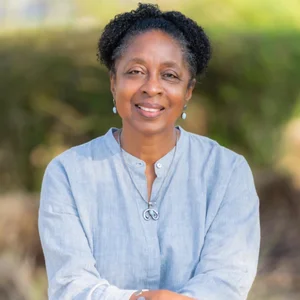
Joining me in collaborations on this article introducing Midwifery Jennifer M. Frazier, MSN, CNM
Jennifer is a native of Florida she started her career in Central Florida at Winnie Palmer and has traveled all through out the US providing care to Women. After receiving her Masters in Nursing with a specialization in Nurse Miswifery she is fulfilling her life long passion as a full time Certified Nurse Midwife providing care at UNC Midwives in Chapel Hill, NC. She also serves as a clinical instructor at the prestigious Duke University School of Nursing when not catching babies and providing care to woman across the life span.
I am honored to collaborate with her on this article. It is with profound gratitude to introduce my daughter here and to do life as we study, learn and grow together as women of color. It is our desire to hold space and give voice to broadly to women and more specifically women of color in the area grief and maternal mental health and wellness.
Welcome Jennifer thank you my sweet daughter for joining me here!
This is Anna Laura!
Anna L. Woods, M.Min, Author of Faith And Feelings: Embracing Our Humanity and upcoming publication: Rising Above: Journey Within will be available on Amazon, Barnes & Nobles, Apple Books and get a personalized copy at Al-Woods.com.